


The Best Skincare Routine for Sensitive Skin
Sensitive skin reacts more easily to skincare products, weather changes, or seasonal changes. The wrong ingredients can leave your skin feeling irritated, itchy, and uncomfortable. Having sensitive skin means being extra cautious with every product you apply.
Whether you're new to skincare or want to improve your routine, this guide will help you create the best skin care routine for sensitive skin that will protect your skin barrier, reduce sensitivity, and keep your skin calm, hydrated, and healthy.

Sensitive Skin Care Routine
Your skin barrier is your first line of defense. When it’s healthy, it keeps moisture in and irritants out. Sensitive skin often has a weak skin barrier, allowing irritants/dirt to penetrate more easily, causing inflammation and discomfort.
The goal of this skincare routine for sensitive skin is to calm inflammation using fewer, simpler products that focus on hydration, strengthen your skin barrier, and protect from irritants. Let’s break down each step in detail.
Step 1 – Gentle Cleanser
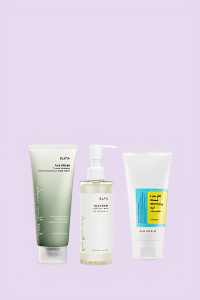
Start with a gentle, fragrance-free cleanser that cleans your skin without stripping natural oils or disturbing your skin barrier.
What to Use: start with a hydrating cream cleanser. Avoid harsh soaps or foaming cleansers with sulfates, which can disrupt your skin’s natural balance.
How to cleanse: Use lukewarm(not hot) water and gently massage the cleanser into your skin for 30–60 seconds. Rinse thoroughly and gently pat your face dry with a soft towel.
Step 2 – Calming Toner or Essence
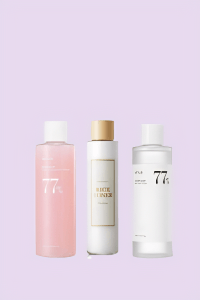
After cleansing, your skin needs hydration. This is where a toner or essence comes in. For sensitive skin, use an alcohol-free toner specifically formulated to calm, rebalance your skin’s pH, and hydrate your skin.
What to Use: Choose an alcohol-free toner with ingredients like aloe vera, hyaluronic acid, and panthenol (vitamin B5) to soothe irritation.
How to tone: Apply on a cotton pad, then gently pat it into your skin until it fully absorbed.
Try These➡️ the best toners for sensitive skin
Step 3 – Gentle Exfoliation
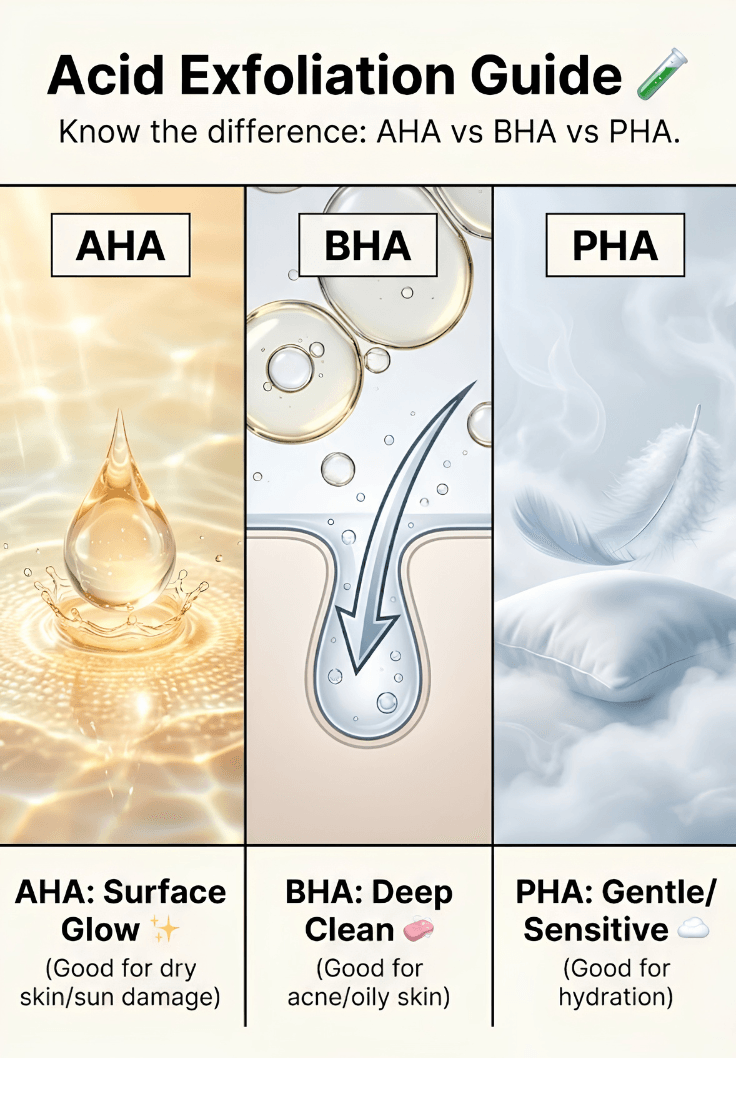
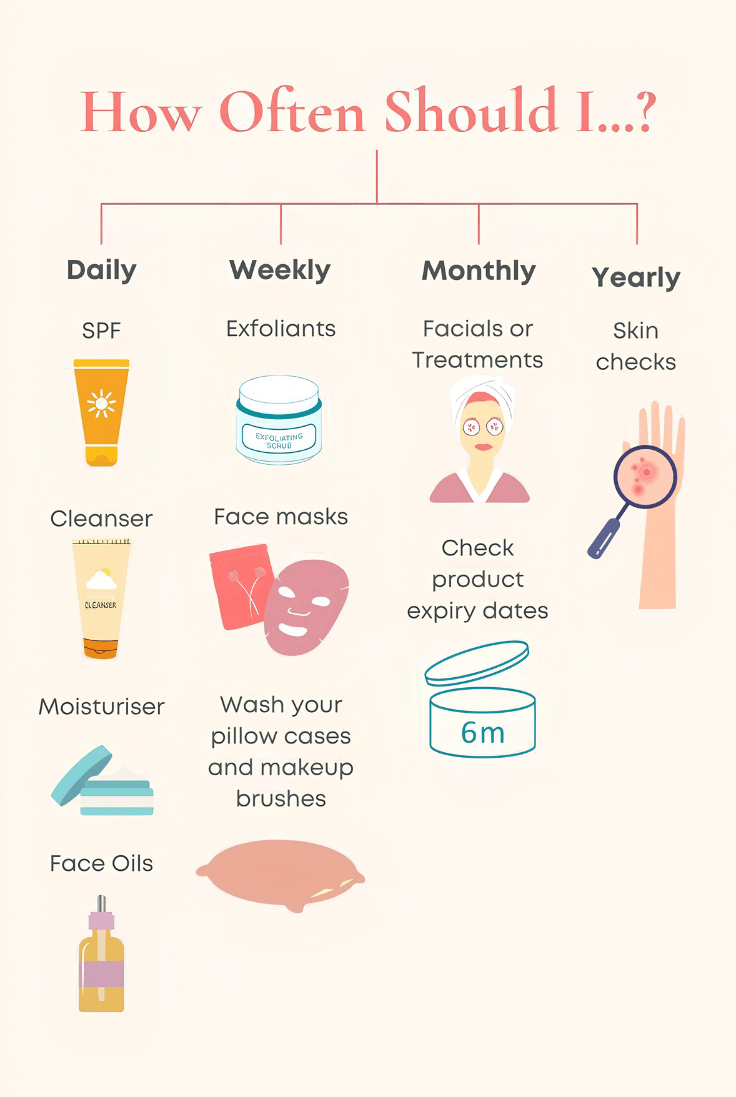
Exfoliation helps remove dead skin cells, reduces breakouts, and smooth your skin texture, but overdoing it can damage the skin barrier. For sensitive skin, gentle exfoliation once a week is enough and only if your skin is currently not irritated and highly reactive. Exfoliate gently and avoid high concentrations.
What to Use: choose a PHA (polyhydroxy acid), which is less irritating than AHA or BHA. Use PHA at a low concentration if your skin is very sensitive.
How to exfoliate: Apply once weekly at night after cleansing. Apply a thin layer to damp(not wet) skin and let it absorb before layering other products. Some exfoliants work as a face mask and must be rinsed out with warm water after a few minutes. Always read the instructions to know if its a rinse out exfoliant or not! Avoid using it on broken or irritated skin.
Try These➡️ the best gentle exfoliants for sensitive skin
Step 4 – Hydrating Serum
Serums are concentrated treatments with active ingredients that help you treat specific skin concerns. For sensitive skin, choose one that focuses on strengthening your skin barrier, and hydration.
What to Use: Choose a serum with ingredients like hyaluronic acid (hydration), centella asiatica (calms redness),or niacinamide (at 5% or less). Avoid serums with high concentrations of acids or retinol unless recommended by a dermatologist.
How to use it: Apply 2-3 drops and gently rub it into your skin using clean fingertips.
Try These➡️ the best serums for sensitive skin
Step 5 – Cream Moisturizer
This is one of the most important steps. A good moisturizer helps seal in hydration, soothe irritation, and strengthen your skin barrier.
What to Use: Use a fragrance-free moisturizer with ceramides, urea, shea butter, panthenol, or colloidal oatmeal that is non-comedogenic, meaning it won't clog your pores.
How to moisturize: Apply a generous amount evenly across your face. Focus on areas that feel dry or irritated. Don’t forget to moisturize your neck and behind your ears.
Try These➡️ the best moisturizers for sensitive skin
Step 6 – Sunscreen
The sun can increase sensitivity and redness. Daily sun protection is important for all skin types. UV rays can damage your skin barrier and age the skin. So always apply sunscreen every morning, even if you stay indoors!
What to Use: Choose an oil-free sunscreen with SPF 30 or higher, preferably a mineral sunscreen with zinc oxide or titanium dioxide. These are less likely to cause irritation compared to chemical sunscreens.
How to use it: Apply about a nickel-sized amount for your entire face, including your neck and ears. Reapply every 2-3 hours if you’re outdoors.
Try These➡️ the best sunscreen for sensitive skin
📌 How to Layer Skincare Products?
Always apply skincare from thinnest to thickest:
Cleanser
Toner
Exfoliate(once a week)
Serum
Moisturizer
Sunscreen (only in the morning)
This ensures that each product absorbs properly without causing irritation.
🖇️ Important Tips for Sensitive Skin
Stick to a simple routine with fewer products and ingredients
Use lukewarm water when cleansing; avoid hot water
Always patch test new products before applying to your entire face. If you experience redness, burning, stinging, or tightness within minutes or hours of trying a new product, do not continue using.
Avoid physical scrubs or rough towels on your face
Avoid Harsh Ingredients like alcohols or sulfates, fragrance, and essential oils
Don’t Skip Moisturizer: Hydration = protection
Drink water regularly and eat healthy to support skin barrier.
Clean your pillowcases and makeup brushes regularly to prevent breakouts or irritation.
Product Recommendations for Sensitive Skin ˚୨୧⋆
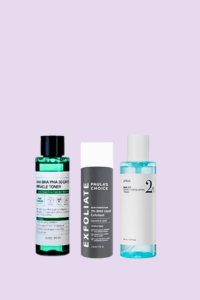
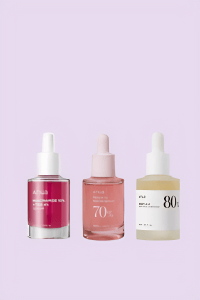
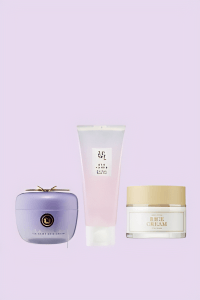
5. Rich Moisturizers
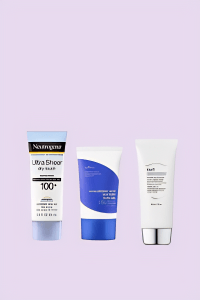
6. Sunscreens
Remember, Consistency is Key
Sensitive skin needs gentle care and daily support. By following these easy steps using calming, gentle products, you can reduce redness, prevent irritation, and keep your skin healthy, smooth, and radiant. Remember, consistency is key, stick with this routine, and give these products time to work for the best results!
If your skin becomes extremely reactive, red, itchy and uncomfortable, consult a dermatologist. Prescription creams, ointment treatments, or allergy testing may help reduce sensitivity.

Get My Free
Glow Up
Guide
If this post was helpful, don't forget to share💞