


The Best Skincare Routine for Oily Skin
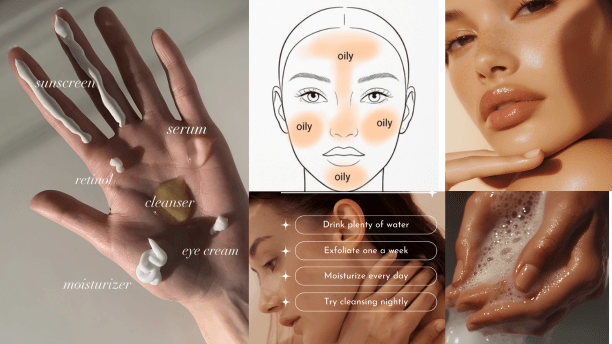
Having oily skin can be a real struggle, oily skin can lead to clogged pores, and breakouts. You have oily skin if your face feels greasy after a few hours of cleansing, especially around your forehead, nose, and chin. Whether you're new to skincare or want to improve your routine, this guide will help you balance oil production, unclog pores, and get healthier, clearer skin without stripping it dry.
What Makes Skin Oily?
Oily skin occurs when your skin produces more sebum (natural oil) than it needs. This excess oil can build up on the surface of your skin, leading to excess shine, clogged pores, blackheads, and acne. Common causes of oily skin include:
Genetics
Hormonal changes
Stress
Warm or humid environments
Using harsh products that strip the skin and trigger more oil production
Why Hydration Matters for Skin Health
Your skin barrier (the outermost layer) holds moisture in and keeps irritants out. A damaged skin barrier leads to water loss, leaving your skin dehydrated.
Dry skin = too much oil.
Dehydrated skin = lack of water.
Yes, you can have oily and dehydrated skin at the same time. Oily skin can lack water, leading to more oil production
So, the goal of this skin care guide for oily skin is to balance oil production, support the skin barrier, and keep your skin hydrated without making it greasy.
Oily Skin Care Routine
This Skincare Routine for Oily Skin is all about balance, choosing lightweight products that remove excess oil without over-drying and layering with the right products that won’t clog your pores. Let’s walk through it step-by-step.
Step 1 – Foaming Cleansing
Start with a cleanser that removes dirt, oil, and impurities without dehydrating the skin or disrupting its natural balance.
What to Use: start with a gel-based or foaming cleansers with ingredients like salicylic acid or Benzoyl peroxide to help unclog pores and remove excess oil.
How to cleanse: Use lukewarm(not hot) water and gently massage the cleanser into your skin for 30–60 seconds. Rinse thoroughly and gently pat your face dry with a soft towel.
Try These➡️ the best foaming cleansers for oily skin
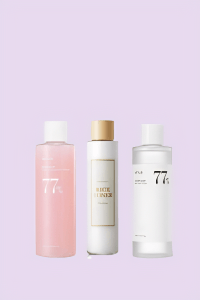
Step 2 – Balancing Toner or Essence
After cleansing, your skin needs hydration. This is where a toner or essence comes in. A toner helps rebalance your skin’s pH, reduce your pores, and prepare your skin to absorb the next products more effectively.
What to Use: Choose an alcohol-free toner with ingredients like witch hazel, rose water, or niacinamide.
How to tone: Apply with your hands or a cotton pad, then gently pat it into your skin until it fully absorbed.
Try These➡️ the best toners for oily skin
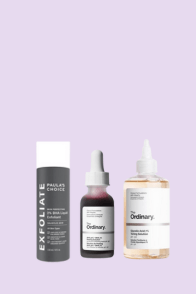
Step 3 – Chemical Exfoliation
Exfoliation helps clear away dead skin cells, unclog pores, smooth texture, and improve the overall appearance of oily skin. It’s important to exfoliate gently at least 2–3 times a week, do not overdo it.
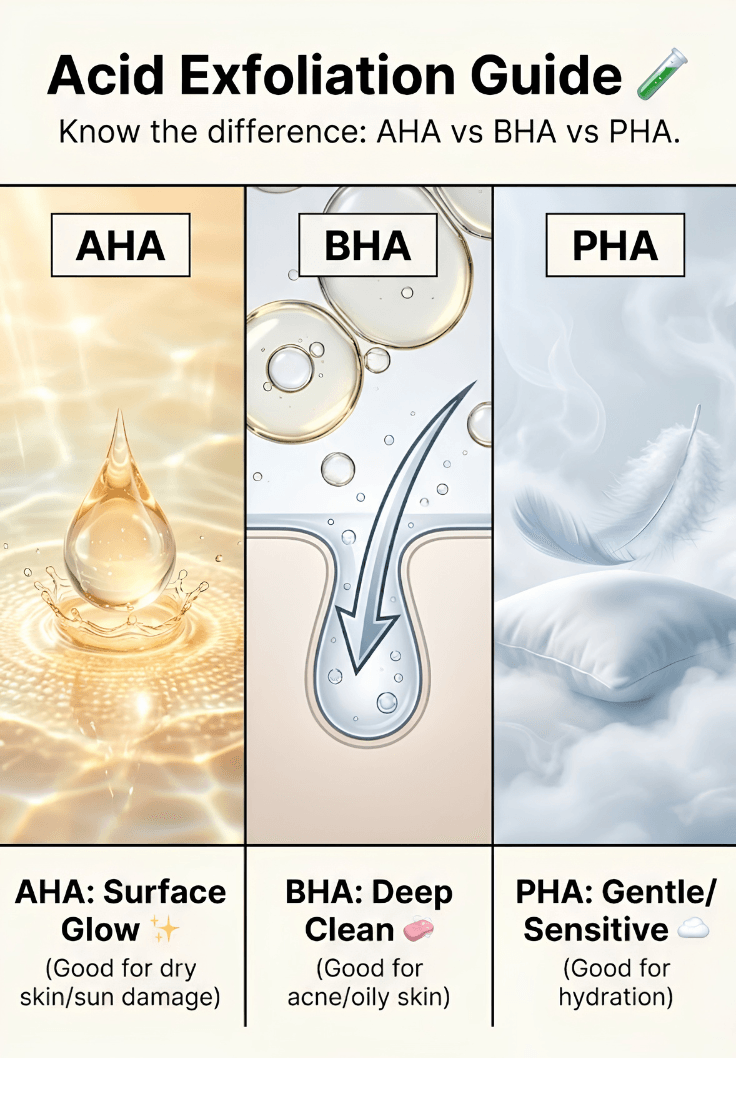
There are three main types of exfoliating acids commonly used in skincare: AHA, BHA, and PHA. Each works slightly differently on the skin. Choose a chemical exfoliant that suits your skin’s needs.
How to exfoliate:
Use after cleansing and before serum. Apply to dry skin, at least 2–3 times a week depending on your skin’s tolerance. Avoid mixing multiple acids in one routine.If you’re new to acids, start with BHA for oily skin — it helps reduce clogged pores and breakouts without being overly drying.
Try These➡️ the best exfoliants for oily skin
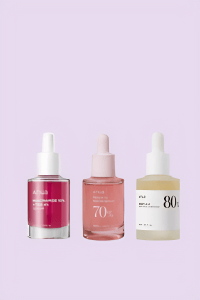
Step 4 – Treatment Serum
Serums are concentrated treatments packed with active ingredients that target specific skin concerns, improve skin texture, and reduce blemishes. For oily skin, look for serums with ingredients that can treat breakouts and reduce blackheads.
What to Use: Choose serums with salicylic acid, niacinamide, and glycolic acid.
How to use it: Apply 2-3 drops and gently press it into your skin. Focus on areas prone to oiliness, like your forehead, nose, and chin.
Try These➡️ the best serums for oily skin
Step 5 – Light Moisturizer
Yes, you still need to moisturize, even if your skin is oily! Skipping moisturizer can backfire and cause your skin to produce more oil to compensate for the lack of moisture. Avoid heavy creams that can feel greasy, use light moisturizers that absorbs quickly and gives a smooth, matte finish.
What to Use: Choose a lightweight, water-based or gel-textured moisturizer that is non-comedogenic meaning it won't clog your pores. Look for ingredients that help reduce oil production, such as salicylic acid, niacinamide, and hyaluronic acid.
How to moisturize: Apply a thin layer after serum, massaging it evenly into your skin. Don’t forget to moisturize your neck and behind your ears.
Try These➡️ the best moisturizers for oily skin
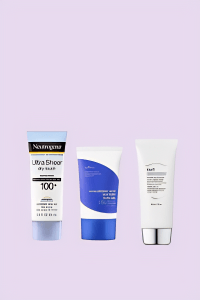
Step 6 – Sunscreen Protection
Finish with SPF every morning, even if you stay indoors! UV rays can damage your skin barrier and age the skin. Many people with oily skin skip sunscreen, thinking it’s unnecessary or too heavy.
What to Use: Choose an oil-free, non-comedogenic sunscreen with SPF 30 or higher, preferably a matte or gel based sunscreen best for oily or acne-prone skin.
How to use it: Apply about a nickel-sized amount for your entire face, covering all exposed areas including your neck and ears. Reapply every 2-3 hours if you’re outdoors.
Try These➡️ the best sunscreen for oily skin
📌 How to Layer Skincare Products?
When applying skincare products after cleansing, follow the thinnest-to-thickest rule:
Water-based products (toner, essence)
Serums
Creams
Oils
This ensures that each product penetrates properly and does its job effectively.
By following these carefully layered steps, you’ll help your dry skin retain more moisture and become soft, glowy, and radiant. Remember, consistency is key, stick with this routine daily for the best results!
🖇️ Important Tips for Oily Skin
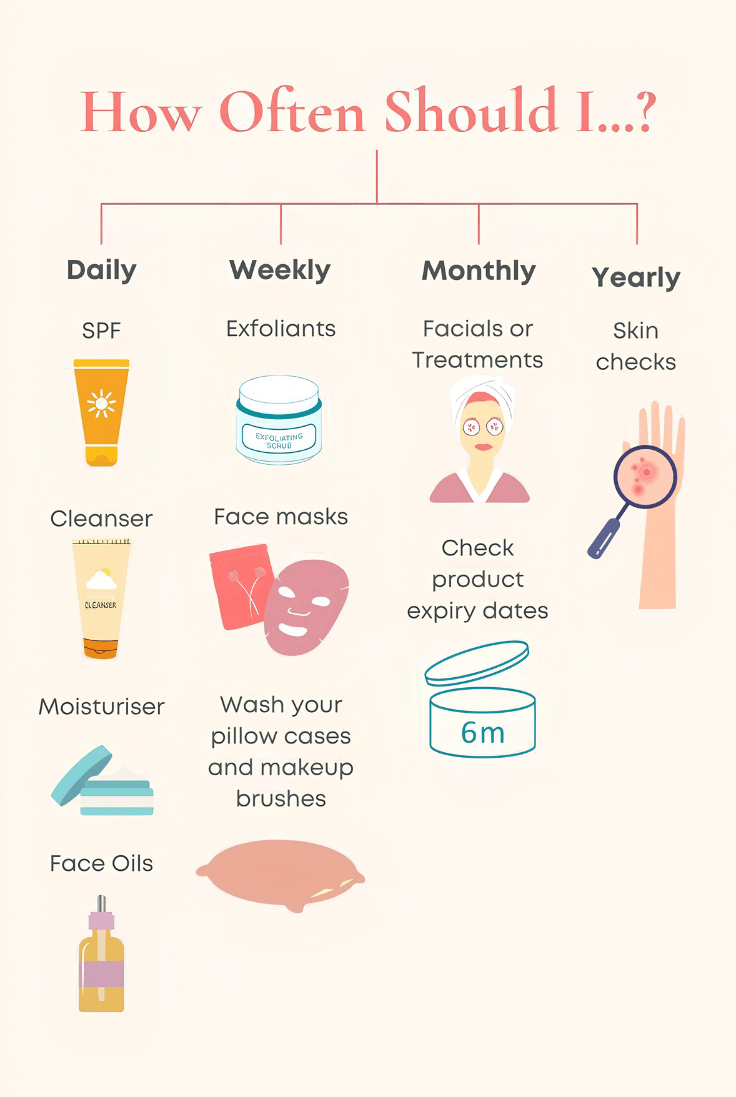
Exfoliate Gently: Use a chemical exfoliant 2–3 times a week
Avoid Harsh Ingredients: Like alcohols or sulfates
Don’t Skip Moisturizer: Hydration = balance
Use a Clay Mask Weekly to absorb oil and detox your skin
Double Cleanse at Night especially if you wear makeup
Use Blotting Papers during the day for quick touch-ups
Clean your Pillowcases and Makeup Brushes Regularly
Product Recommendations for Oily Skin ˚୨୧⋆
1. Cleansers
2. Balancing Toners
3. Chemical Exfoliants
4. Serums

5. Light Moisturizers
6. Sunscreens
Remember, Consistency is Key
Managing oily skin takes time and consistency. Stick to this routine, and give these products time to work for the best results!

Get My Free
Glow Up
Guide
If this post was helpful, don't forget to share💞