


The Best Skincare Routine for Combination Skin
Combination skin means your face has both oily and dry areas at the same time. One part of your face tends to be oily especially around your T-zone (forehead, nose, and chin) , while your cheeks and jawline may feel dry, tight, or even flaky. Balancing both can be challenging, but with the right routine, it’s very manageable.
Whether you're new to skincare or want to improve your routine, this guide will help you create the best combination skin care routine that hydrates dry areas, controls oil, and keeps your skin balanced, healthy, and glowing.
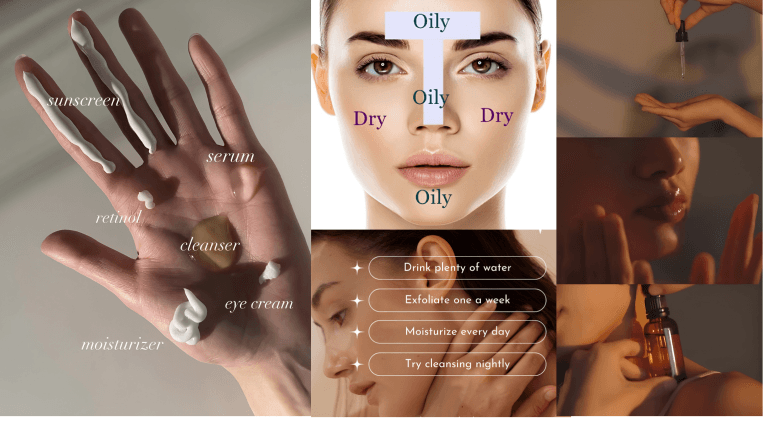
Combination Skin Care Routine
When your skin has multiple needs in different areas, using products that are too heavy can clog pores and breakouts, while products that are too light may leave dry patches around your face.
This Skincare Routine for Combination Skin is all about balance, choosing lightweight products that remove excess oil without over-drying and layering with the right products that won’t clog your pores. Let’s walk through it step-by-step.
Step 1 – Gel Cleanser
Start with a cleanser that removes dirt, oil, and impurities without drying the skin.
What to Use: start with a gel-based or hydrating cream cleanser. Avoid harsh soaps or foaming cleansers with sulfates, which can disrupt your skin’s natural balance.
How to cleanse: Use lukewarm(not hot) water and gently massage the cleanser into your skin for 30–60 seconds. Rinse thoroughly and gently pat your face dry with a soft towel.
Try These➡️the best cleansers for combination skin
Step 2 – Balancing Toner or Essence
After cleansing, your skin needs hydration. This is where a toner or essence comes in. A toner helps rebalance your skin’s pH, reduce your pores, and prepare your skin to absorb the next products more effectively.
What to Use: Choose an alcohol-free toner with ingredients like rose water, hyaluronic acid, or green tea, best for dry areas.
How to tone: Apply with your hands or a cotton pad, then gently pat it into your skin until it fully absorbed.
Try These➡️the best toners for combination skin
Step 3 – Gentle Exfoliation
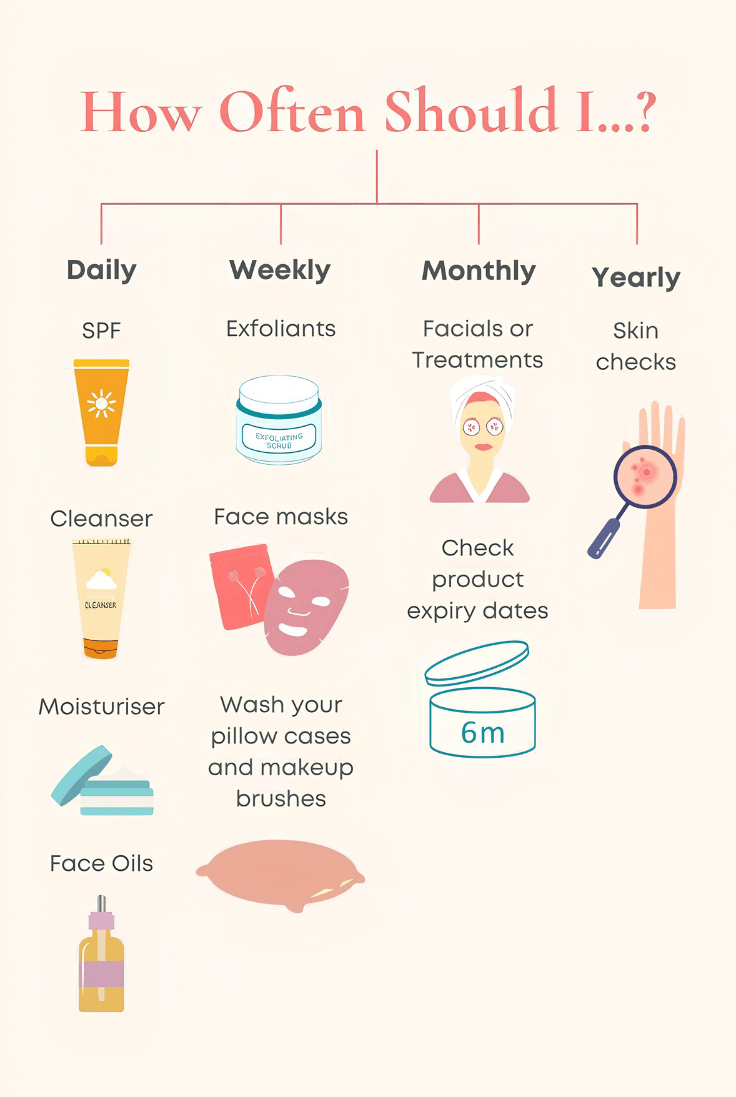
Exfoliation helps remove dead skin cells, unclog pores, reduces breakouts, and smooth your skin texture. For combination skin, it’s important to exfoliate gently and not too often, at least 2–3 times a week depending on your skin’s tolerance.
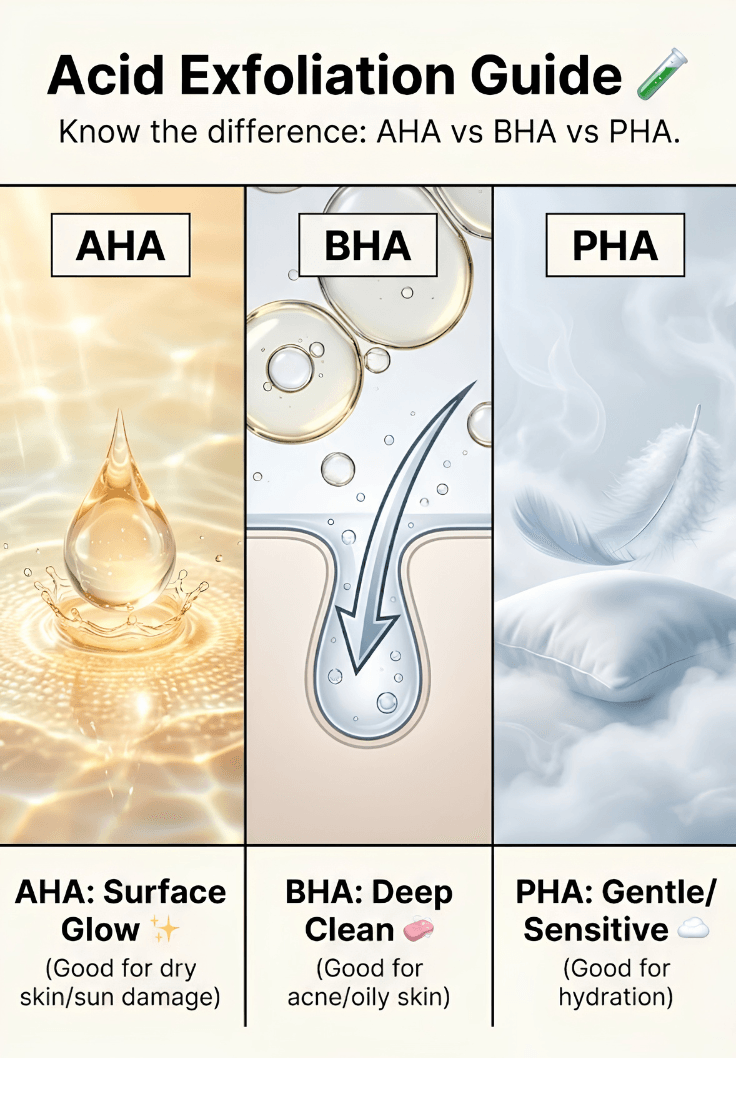
What to Use: Choose a chemical exfoliant — AHA (like lactic acid) for dry areas, and BHA (like salicylic acid) for the oily areas. PHA is a good option if your skin is more sensitive.
How to exfoliate: Use 2–3 times a week after cleansing. Apply a thin layer to damp(not wet) skin and let it absorb before layering other products. Some exfoliants work as a face mask and must be rinsed out with warm water after a few minutes. Always read the instructions to know if its a rinse out exfoliant or not! Avoid using it on broken or irritated skin.
Try These➡️ the best exfoliators for combination skin
Step 4 – Treatment Serum
Serums are concentrated treatments with active ingredients that help you treat specific skin concerns, improve skin texture, and reduce blemishes.
What to Use: Choose a serum with ingredients like niacinamide (balances oil and reduces pores), hyaluronic acid (hydration), or azelaic acid (calms redness). You can use salicylic acid just on your oily areas or your breakout/pimples as a spot treatment.
How to use it: Apply 2-3 drops and gently press it into your skin. You can spot-treat with different serums.
Try These➡️ the best serums for combination skin
Step 5 – Light Moisturizer
Even if your skin gets oily in places, you still need to moisturize. Skipping moisturizer can backfire and cause your skin to produce more oil. Avoid heavy creams that can feel greasy, use light moisturizers that absorbs quickly and hydrate dry areas giving a smooth, supple finish.
What to Use: Use a gel-cream or lotion with hyaluronic acid, ceramides, or niacinamide that is non-comedogenic, meaning it won't clog your pores.
How to moisturize: Apply an even layer across your face. You can use more product on dry areas like your cheeks and less on the T-zone. Don’t forget to moisturize your neck and behind your ears.
Try These➡️ the best moisturizers for combination skin
Step 6 – Sunscreen
Many people skip sunscreen, thinking it’s unnecessary or too heavy. Sun protection is important for all skin types. UV rays can damage your skin barrier and age the skin. So always apply sunscreen every morning, even if you stay indoors!
What to Use: Choose an oil-free sunscreen with SPF 30 or higher, preferably a gel based sunscreen that work well on combination skin.
How to use it: Apply about a nickel-sized amount for your entire face, covering all exposed areas including your neck and ears. Reapply every 2-3 hours if you’re outdoors.
Try These➡️ the best sunscreen for combination skin
📌 How to Layer Skincare Products?
Always apply skincare from thinnest to thickest:
Cleanser
Toner
Serum
Moisturizer
Sunscreen (AM only)
This ensures that each product absorbs properly and prevents pilling.
🖇️ Important Tips for Combination Skin
Double cleanse at night especially if you wear makeup
Use clay masks on the T-zone and hydrating masks on dry areas
Avoid over-cleansing: stick to twice a day
Avoid Harsh Ingredients like alcohols or sulfates
Don’t Skip Moisturizer: Hydration = balance
Drink water regularly and eat healthy to support skin hydration
Clean your Pillowcases and makeup brushes regularly to prevent breakouts or pimples.
Product Recommendations for Combination Skin ˚୨୧⋆
1. Cleansers
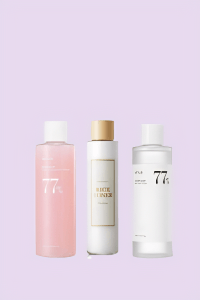
2. Balancing Toners
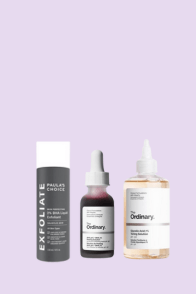
3. Chemical Exfoliants
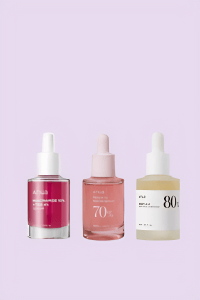
4. Serums

5. Light Moisturizers
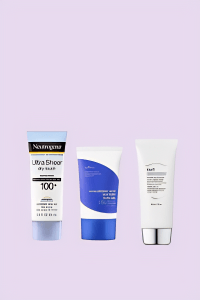
6. Sunscreens
Remember, Consistency is Key
By following these easy steps, you’ll help your skin retain more moisture and keep your skin healthy, smooth, and radiant. Remember, consistency is key, stick with this routine, and give these products time to work for the best results!

Get my Free Glow Up Guide
Where should I send it?
If this post was helpful, don't forget to share💞