

The Best Haircare Routine for Low Porosity Type 1 Hair
Type 1 hair, commonly known as straight hair, is naturally smooth and sleek with a fine to medium texture. It lies flat on the scalp, reflecting light easily, which gives it a naturally shiny appearance. Type 1 hair can also become oily quickly since sebum (natural scalp oil) travels down straight hair strands more easily than in wavy or curly hair.
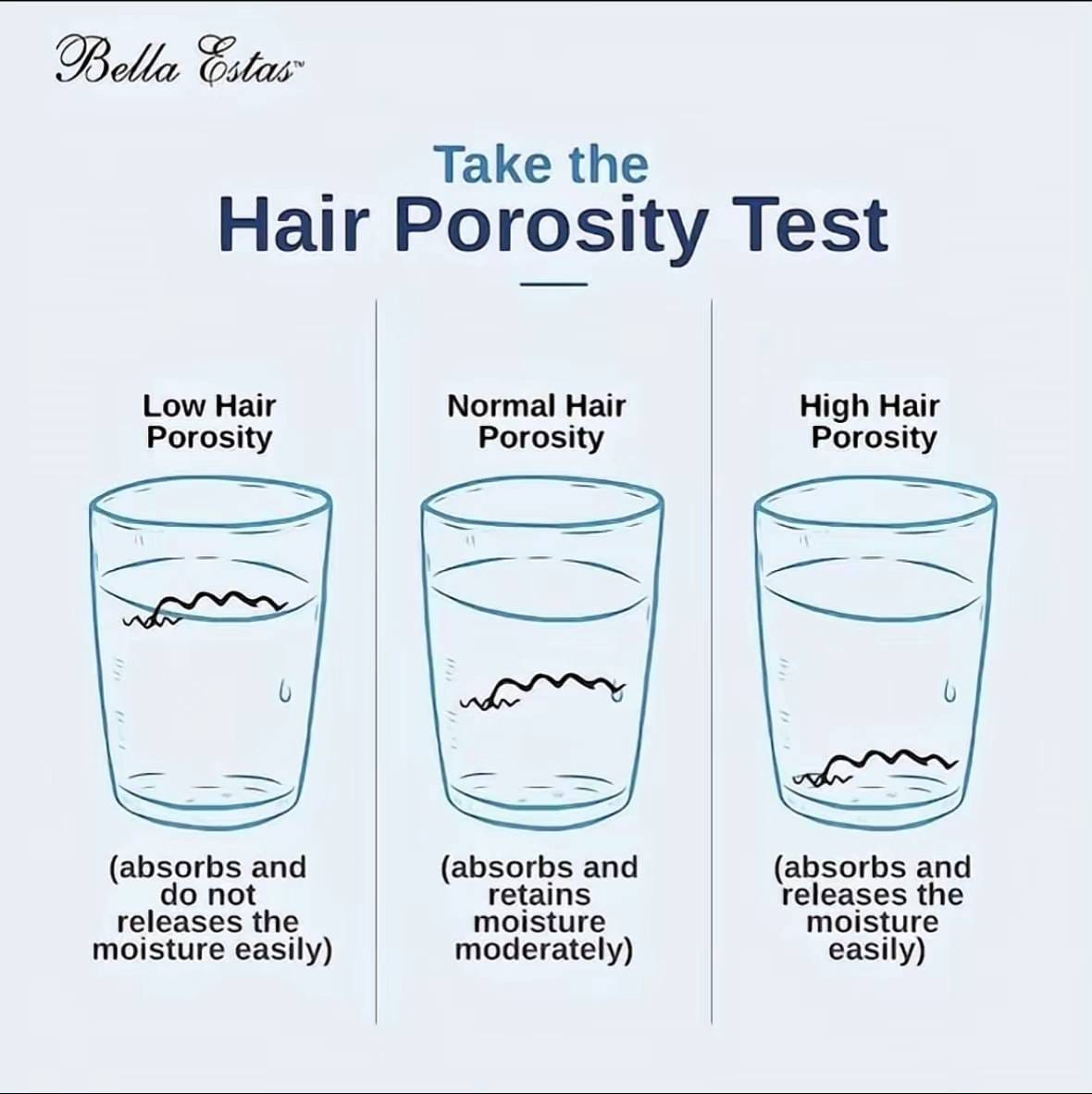
How to Test for Hair Porosity
Before starting your haircare routine, it’s important to confirm your hair’s porosity. Here’s a quick and simple way to test it:
The Float Test:
Take a clean strand of your hair (free of any product buildup).
Drop it into a glass of room-temperature water.
Wait for about 2–4 minutes.
Result:
If your hair floats on top, you have low porosity hair — the cuticles are tightly packed, and water struggles to penetrate.
If it sinks slowly, your hair is medium/normal porosity.
If it sinks quickly, your hair is high porosity, meaning it absorbs moisture easily but loses it just as fast.
Type 1 Low Porosity Hair Care Routine
Once you’ve identified your hair porosity, you need a good healthy haircare routine for your specific hair type. If the float test shows you have low porosity hair, the following routine will help maximize moisture absorption, prevent oily buildup, and maintain healthy hair.
Low porosity hair has tightly packed cuticles that make it difficult for moisture and products to penetrate. This means that you have to customize your haircare routine by choosing the right product for your low porosity hair type. The goal of this haircare routine is to gently open the hair cuticles and improve product absorption by using lightweight products that doesn’t cause buildup. Let’s go through each step in detail.
Step 1 – Clarifying Shampoo
Start with a gentle clarifying shampoo to remove buildup from styling products, oils, or hard water. Low porosity hair easily accumulates residue because products don’t absorb deeply.
What to Use: Choose a lightweight, sulfate-free clarifying shampoo with ingredients like apple cider vinegar, salicylic acid, or charcoal to remove buildup without stripping your hair.
How to cleanse: Shampoo once a week or every two washes. Use lukewarm water to help slightly lift the cuticle layer and allow better cleansing. Focus on the scalp and rinse thoroughly.
Try These➡️the best clarifying shampoos for low porosity type 1 hair
Step 2 – Lightweight Conditioner
After washing, your hair needs hydration. Low porosity straight hair needs lightweight conditioners that add moisture without making your hair greasy.
What to Use: Choose a conditioner with humectants like glycerin, aloe vera, or honey. Avoid heavy butters or oils that can sit on the surface.
How to tone: Apply from mid-length to ends. Use warm water or gently steam your hair for a few minutes before applying conditioner to help open the cuticle. Leave it in for 3–5 minutes and rinse with cool water to seal the cuticle.
Try These➡️the best lightweight conditioners for low porosity type 1 hair
Step 3 – Deep Conditioning
Deep conditioning helps maintain hydration, but low porosity hair doesn’t need it as much as high porosity hair. Once or twice a month is enough.
What to Use: Choose a lightweight deep conditioner or hair mask with heat-activated ingredients like arginine, panthenol, or hydrolyzed proteins in low concentrations.
How to use it: Apply to damp hair and cover with a shower cap. Use gentle heat like a warm towel or a hooded hair dryer for 10–15 minutes to help the product absorb. Rinse your hair thoroughly.
Try These➡️the best deep conditioners for low porosity hair
Step 4 – Leave-In Conditioner or Lightweight Detangler
Leave-in conditioners can provide daily moisture, but for straight, low porosity hair, the key is to keep it light and minimal.
What to Use: Use a water-based leave-in spray with ingredients like aloe, rose water, or silk amino acids. Avoid creamy leave-ins or oils that can cause buildup.
How to moisturize: Apply a small amount to damp hair before styling. Focus only on the ends to reduce fizziness.
Try These➡️the best leave-in conditioners for low porosity hair
Step 5 – Scalp Care
Healthy hair starts with a balanced scalp. Low porosity scalps can sometimes feel oily at the roots because natural oils don’t absorb into the strands easily.
What to Use: Use a lightweight scalp oil or serum once a week. Look for ingredients like tea tree oil (for buildup), peppermint oil (for stimulation), or jojoba oil (for lightweight moisture)
How to use it: Massage a few drops into your scalp using your fingertips. Leave it in for 15–30 minutes before washing, or overnight if your scalp is dry.
Try These➡️the best scalp oils for low porosity hair
Step 6 – Styling and Protection
For straight, low porosity hair, less is more. Focus on heat protection and lightweight styling to maintain movement and shine.
What to Use: Use a heat protectant spray before blow drying or straightening. If you style frequently, consider adding a silicone-free serum to reduce frizz and add shine.
How to use it: Use minimal product and avoid heavy creams. Protective styles like low buns, braids, or ponytails can reduce tangling and breakage without stressing the strands.
Try These➡️the best styling products for low porosity, straight hair
📌 How to Layer Haircare products?
Shampoo
Conditioner
Deep Conditioner (1–2 times a month)
Leave-In Conditioner
Scalp Oil (weekly or as needed)
Heat Protectant / Styling Product
This ensures that moisture is absorbed properly without overloading your hair.
By following these steps, you’ll help your hair retain more moisture and become soft, healthy, and radiant. Remember, consistency is key, stick with this routine daily for the best results!
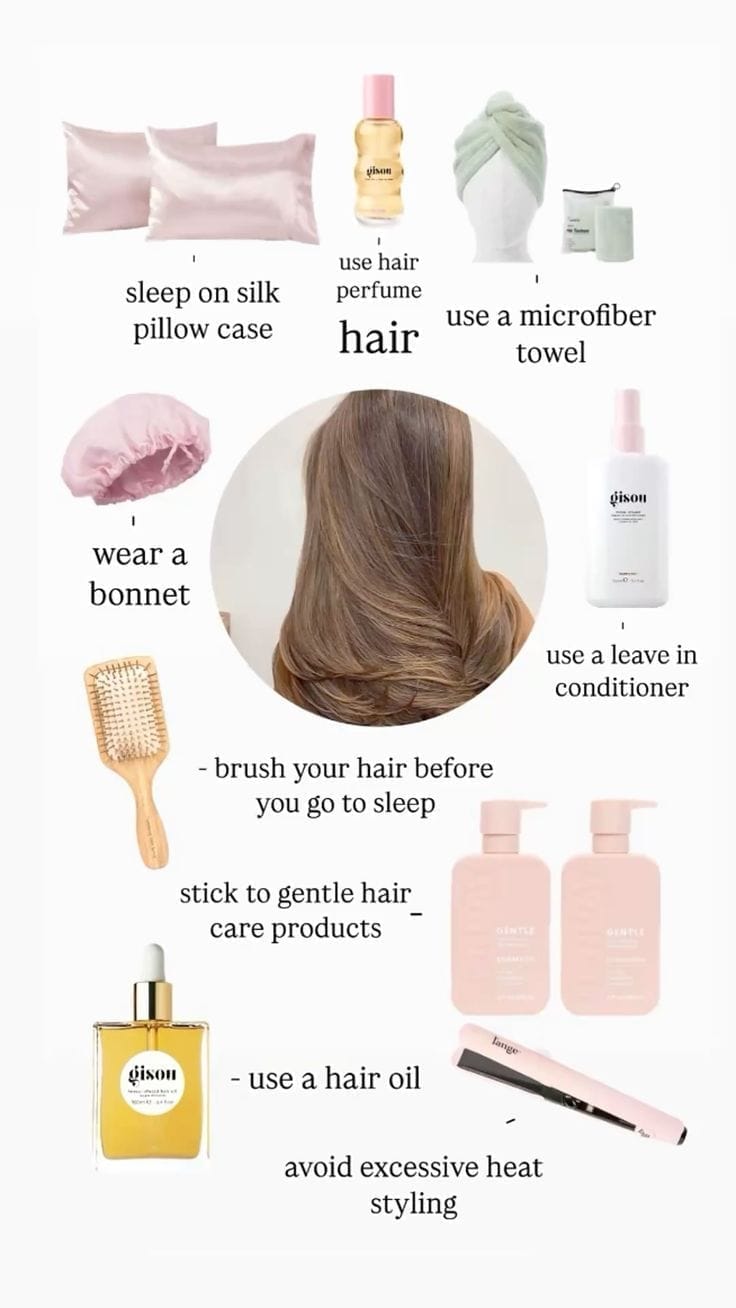
🖇️ Important Tips
Use warm water to help open the hair cuticle during wash days.
Don't use heavy oils and creams like coconut oil or shea butter.
Limit protein products—low porosity hair can become stiff if you use too many protein-based products.
Use a Clarifying shampoo regularly to prevent buildup.
Protect your hair from heat damage by always using a heat protectant.
Sleep on a silk or satin pillowcase to reduce friction and frizz.
Product Recommendations for Dry Skin ˚୨୧⋆
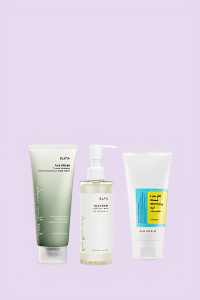
1. Clarifying Shampoo
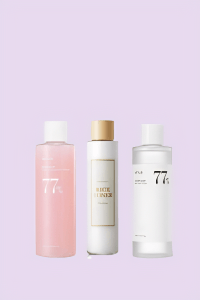
2. Conditioner
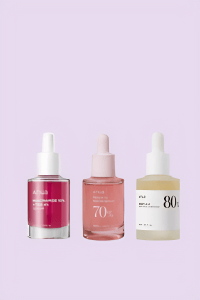
3. Deep Conditioner
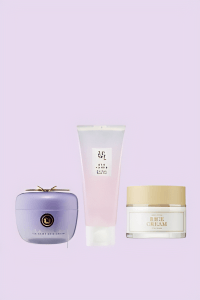
4. Leave-In Conditioner
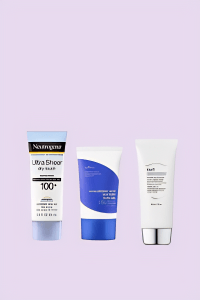
5. Scalp Oil
6. heat protectant
7. Hair Straighteners & tools
💦Remember, Consistency is Key
This is a gentle routine focused on light hydration and regular cleansing, you can restore balance, prevent buildup, and make your hair naturally smooth and glossy. Stick with this routine and give your hair time to adjust for long-lasting results!
Get my Free Glow Up Guide
Where should I send it?
If this post was helpful, don't forget to share💞