

The Best Haircare Routine for High Porosity Type 1 Hair
Type 1 hair is straight hair that has no natural curl or wave pattern. It lies flat from root to tip and typically reflects light well, giving it a naturally shiny appearance. Type 1 hair can be divided into three subcategories:
Type 1A: Very fine, thin, and soft straight hair that lies completely flat against the scalp. This hair type is typically fragile and can appear oily quickly because natural oils travel easily down the straight shaft.
Type 1B: Medium-textured straight hair with more volume and body than 1A. This is the most common straight hair type and has a good balance between fine and coarse textures.
Type 1C: Coarse, thick straight hair that may have slight bends or waves near the ends. This hair type is more resistant to styling and holds volume better than 1A or 1B.
How to Test for Hair Porosity
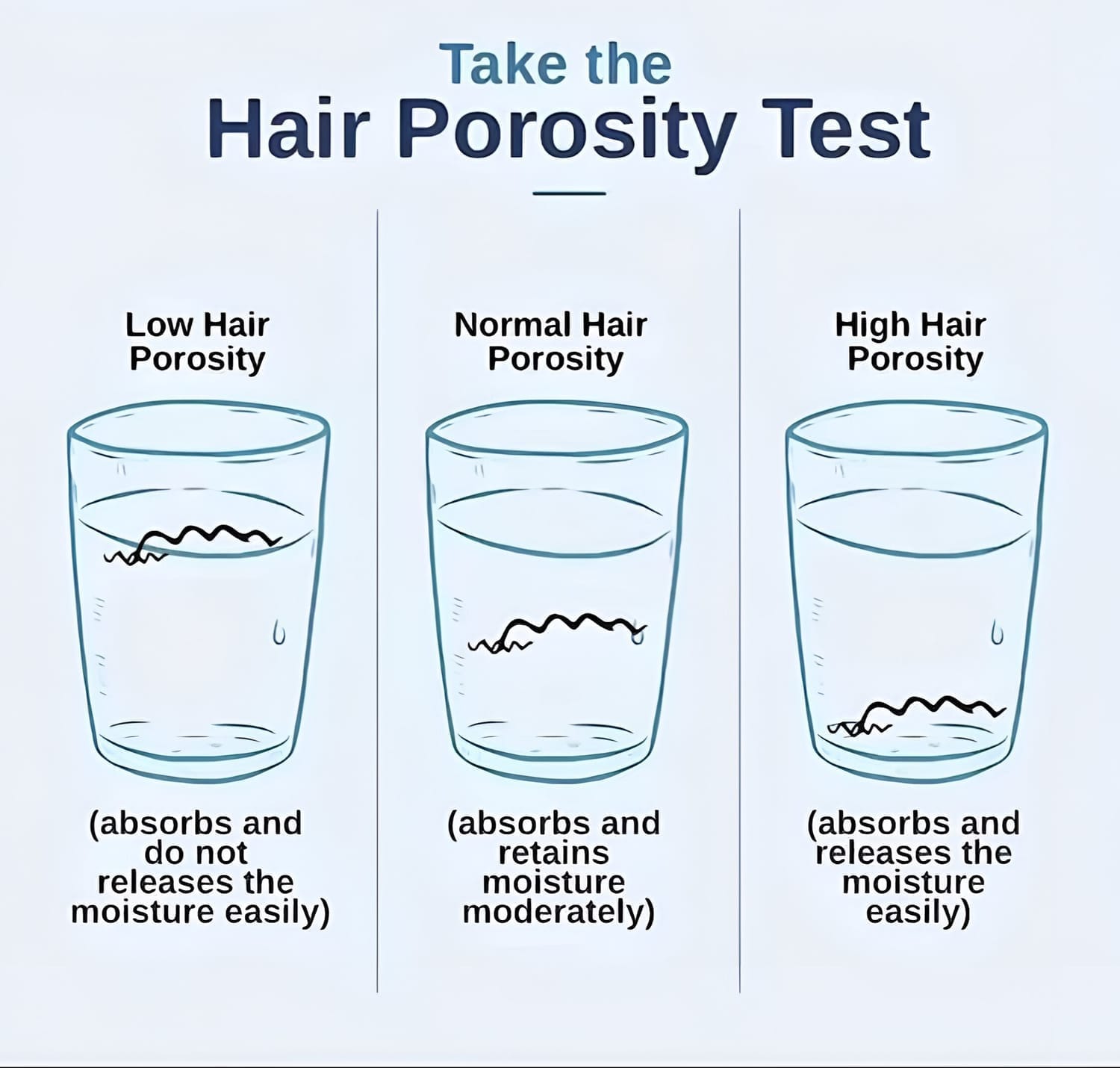
Before starting your haircare routine, it’s important to know your hair porosity. Hair porosity refers to your hair's ability to absorb and retain moisture. There are three porosity levels: low, medium (normal), and high. Here’s a quick and simple way to test it:
The Float Test:
Take a clean strand of your hair.
Drop it into a glass of room-temperature water.
Wait for about 2–4 minutes.
Result:
If your hair floats on top, you have low porosity hair — the cuticles are tightly closed, and water struggles to penetrate.
If it sinks slowly, your hair is medium/normal porosity.
If it sinks quickly, your hair is high porosity, your cuticles are open and absorbs moisture quickly but loses it just as fast.
Type 1 High Porosity Hair Care Routine
Once you’ve identified your hair porosity, you need a good healthy haircare routine for your specific hair type. If the float test shows you have high porosity hair, the following routine will help retain moisture absorption, prevent oily buildup, and strengthen your hair.
High porosity hair has open or damaged cuticles, allowing moisture to enter easily but escape just as quickly, causing dryness and breakage. When you have type 1 hair with high porosity, your hair can feel dry, frizzy, tangles and breaks easily.
The goal of this haircare routine for high porosity type 1 hair is to close the hair cuticles by using the right product that lock in moisture, and keep your hair smooth, shiny, and healthy, protecting it from further damage. Whether you're dealing with damage from heat styling, chemical treatments, or environmental factors, this guide will help you create the best haircare routine for high porosity type 1 hair. Let’s go through each step in detail.
Step 1 – Gentle, Hydrating Shampoo
Start with a hydrating, gentle shampoo that cleans your scalp without stripping away essential oils. Since high porosity hair loses moisture easily, avoid harsh cleansers that make your hair even drier.
What to Use: Choose a sulfate-free, moisturizing shampoo with ingredients like argan oil, shea butter, or keratin. These help soften and repair the cuticle. Avoid harsh sulfates like SLS (sodium lauryl sulfate) or SLES, which can further damage high porosity hair.
How to cleanse: Shampoo once a week. Use lukewarm (not hot) water and focus the shampoo on your scalp, gently massaging with your fingertips for 1-2 minutes. Let the suds run down your lengths rather than scrubbing. Rinse thoroughly with cool water to help close the cuticles.
Try These➡️the best moisturizing shampoos for high porosity type 1 hair
Step 2 – Moisturizing Conditioner
After shampooing, your hair needs hydration. High porosity hair needs thicker, moisturizing conditioners that add moisture and gently smooth out the hair cuticles to lock in the moisture.
What to Use: Choose a rich, and creamy conditioner with ingredients like shea butter, coconut oil, argan oil, and glycerin to provide deep hydration. Look for products that also contain hydrolyzed proteins to strengthen your hair.
How to tone: Apply generously from mid-lengths to ends, and detangle your hair gently with your fingers or a wide-tooth comb. Cover your hair with a shower cap and leave it on for 10-15 minutes. For extra penetration, use a warm towel or hooded dryer. Rinse with cool water to help close the hair cuticles.
Try These➡️the best moisturizing conditioners for high porosity type 1 hair
Step 3 – Deep Conditioning/ Protein Treatment Mask
Deep conditioning is a must for high porosity hair. It helps repair damaged hair, and strength your hair. Protein treatments help rebuild and strengthen damaged cuticles, which is important for high porosity hair. Type 1 hair can get weighed down easily, so use protein treatments every 2-4 weeks depending on your hair's needs.(if its dry, dyed or frizzy)
What to Use: Use a deep conditioner or hair mask high in proteins, natural oils, and ceramides. Ingredients like keratin, avocado oil, or honey are great for moisturizing.
How to use it: Apply to clean, damp hair after shampooing, focusing on the mid-lengths and ends. Cover your hair with a shower cap and use a warm towel or hooded dryer for 15–20 minutes, or as instructed on the product to help it penetrate deeper. If your hair feels stiff or brittle, reduce frequency. Rinse your hair thoroughly afterwards.
Try These➡️the best deep conditioners for high porosity hair
Step 4 – Leave-In Conditioner or Lightweight Detangler
A leave-in conditioner helps keep your hair moisturized throughout the day. This is one of the most important steps for high porosity hair because it creates a protective barrier around the hair cuticles.
What to Use: Use a lightweight, water-based leave-in spray that contains ingredients like aloe vera, panthenol (vitamin B5), or silk amino acids. Avoid creamy leave-ins or oils that can cause buildup and weigh your hair down.
How to moisturize: Apply 1-2 pumps to damp (not soaking wet) hair, focusing only on the mid-lengths and ends of your hair (do not apply directly on your scalp). Distribute evenly using a wide-tooth comb or your fingers.
Try These➡️the best leave-in conditioners for high porosity hair
Step 5 – Lightweight Oil or Serum
Oils and creams help lock in the moisture from your leave-in conditioner by sealing/closing the hair cuticles. High porosity hair needs to be sealed step to prevent moisture loss. Oils help keep hydration locked in and add shine to your hair.
What to Use: Use a lightweight scalp oil or serum once a week. Look for ingredients like tea tree oil (for buildup), peppermint oil (for stimulation), or jojoba oil (for lightweight moisture)
How to use it: Apply 2-4 drops of oil or serum to damp hair, focusing on the ends. Rub between your palms first, then smooth over your hair. Less is more with straight hair to avoid greasiness.
Try These➡️the best scalp oils for high porosity hair
Step 6 – Styling and Protection
Heat styling can damage high porosity hair, so always use a heat protectant before blow-drying, flat ironing, or curling your hair. Since high porosity Type 1 hair is prone to damage, always protect it before styling.
What to Use: Use a a lightweight heat protectant spray that can withstand temperatures of up to 450°F before blow drying or straightening.
How to use it: Use the lowest heat setting that works for your hair when blow-drying to least 70% before using heat tools. If you style your hair frequently, use a silicone-free serum to reduce frizz and add volume. Protective styles like low buns, braids, or ponytails can reduce tangling and breakage without stressing the strands.
Try These➡️the best styling products for high porosity type 1 hair
📌 How to Layer Haircare products?
Shampoo
Protein Treatment (every 2-4 weeks, followed by conditioner)
Conditioner
Leave-In Conditioner
Sealing Oil or Serum
Heat Protectant (when styling)
By following these steps, you’ll help your hair retain more moisture and become soft, healthy, and radiant. Remember, consistency is key, stick with this routine for the best results!
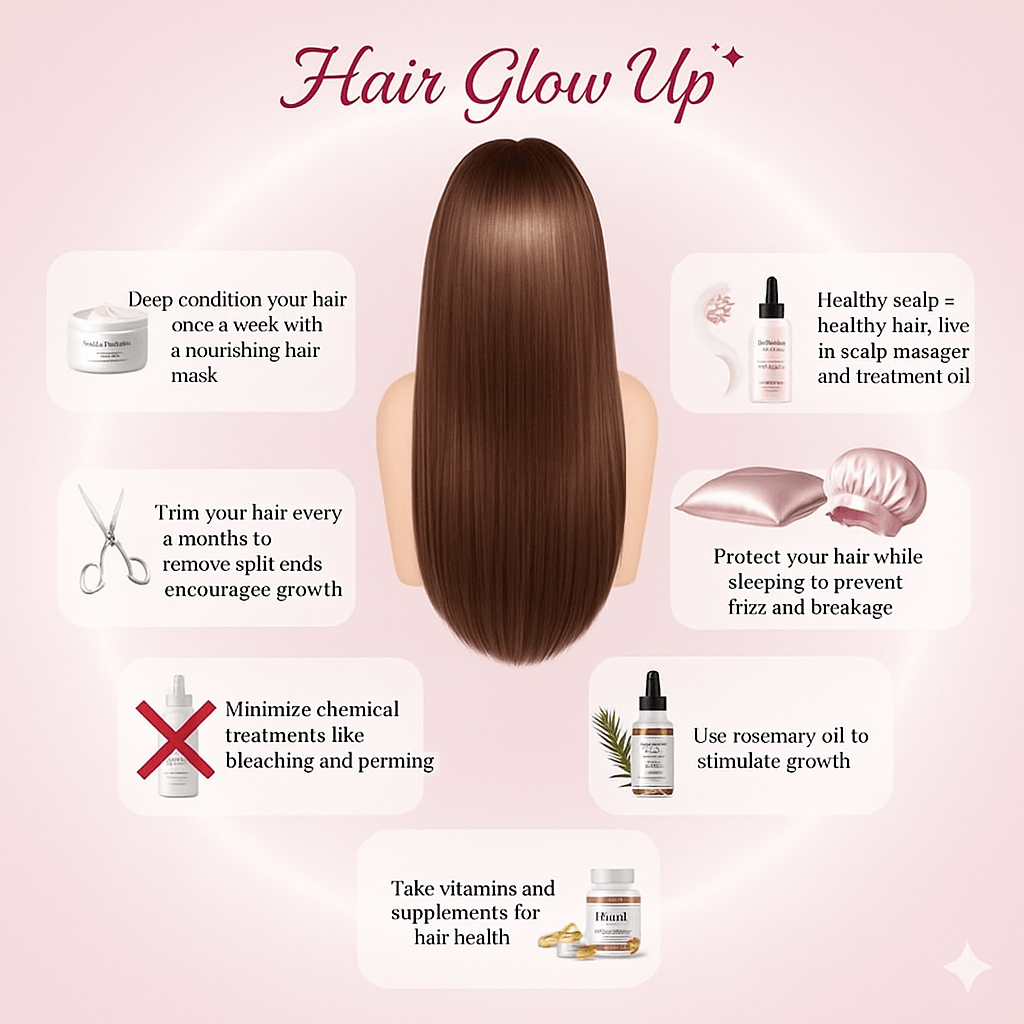
🖇️ Important Tips
Use cool or lukewarm water for your final rinse to help close your hair cuticles.
Always use a heat protectant to protect your hair from heat damage.
Use protein treatment masks every 2-3 weeks to strengthen your hair.
Don’t skip conditioner—hydration is important for high porosity hair!
Sleep on a silk or satin pillowcase to reduce friction and frizz.
Trim your ends every 8-12 weeks to remove damaged ends, and prevent spit ends
Stay hydrated and eat high protein foods to support hair health
🛒Product Recommendations ˚୨୧⋆
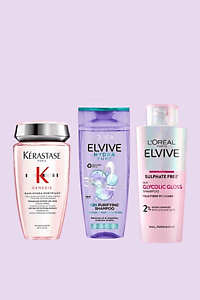
1. Clarifying Shampoo
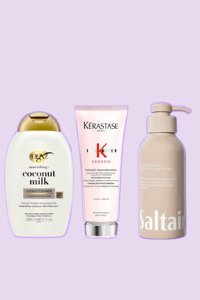
2. Conditioner
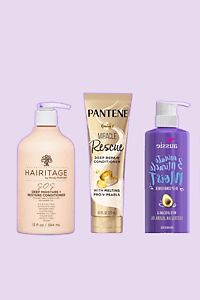
3. Deep Conditioner
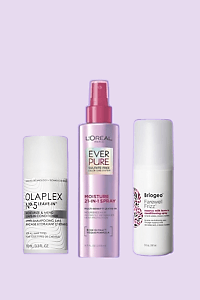
4. Leave-In Conditioner
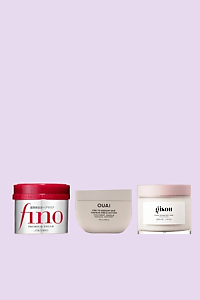
5. Hair masks
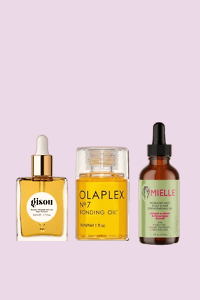
6. Scalp oil
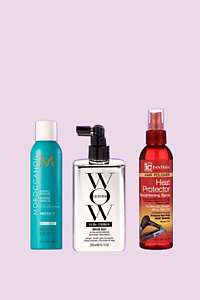
7. Heat protectant
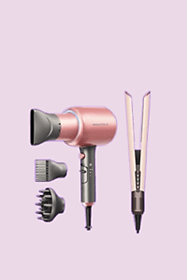
8. Hair Straightening
🎀 Remember, Consistency is Key
High porosity type 1 hair needs gentle care and daily moisture support. By following these easy steps, and using hydrating, strengthening products, you can reduce fizziness, and prevent breakage. This is a gentle routine focused on deep hydration and regular treatment to make your hair naturally smooth and glossy. Remember, consistency is key; stick with this routine, and give these products time to work for the best results!
Get my Free Glow Up Guide
Where should I send it?
If this post was helpful, don't forget to share💞